1. Provinsi DI Aceh / Nanggro Aceh Darussalam / NAD
Alat Musik Tradisional : TT
2. Provinsi Sumatera Utara / Sumut
Alat Musik Tradisional : Aramba, Doli-doli, Druri dana, Faritia, Garantung, Gonrang, Hapetan,
3. Provinsi Sumatera Barat / Sumbar
Alat Musik Tradisional : Saluang, Talempong Pacik
4. Provinsi Riau
Alat Musik Tradisional : TT
5. Provinsi Jambi
Alat Musik Tradisional : TT
6. Provinsi Sumatera Selatan / Sumsel
Alat Musik Tradisional : TT
7. Provinsi Lampung
Alat Musik Tradisional : TT
8. Provinsi Bengkulu
Alat Musik Tradisional : TT
9. Provinsi DKI Jakarta
Alat Musik Tradisional : TT
10. Provinsi Jawa Barat / Jabar
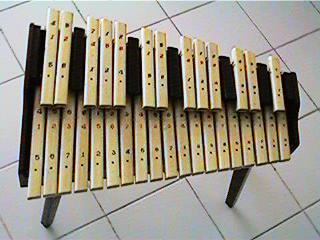
Alat Musik Tradisional : Arumba, Calung, Dod-dog, Gamelan Sunda, Angklung, Rebab, Siter / Celempung
11. Provinsi Jawa Tengah / Jateng
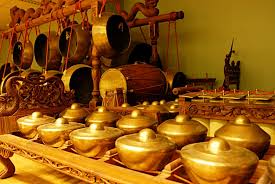
Alat Musik Tradisional : Gamelan Jawa, Siter / Celempung
12. Provinsi DI Yogyakarta / Jogja / Jogjakarta
Alat Musik Tradisional : TT
13. Provinsi Jawa Timur / Jatim
Alat Musik Tradisional : TT
14. Provinsi Bali
Alat Musik Tradisional : Gamelan Bali
15. Provinsi Nusa Tenggara Barat / NTB
Alat Musik Tradisional : Cungklik
16. Provinsi Nusa Tenggara Timur / NTT
Alat Musik Tradisional : Foi Mere, Sasando, Keloko
17. Provinsi Kalimantan Barat / Kalbar
Alat Musik Tradisional : TT
18. Provinsi Kalimantan Tengah / Kalteng
Alat Musik Tradisional : TT
19. Provinsi Kalimantan Selatan / Kalsel
Alat Musik Tradisional : Babun
20. Provinsi Kalimantan Timur / Kaltim
Alat Musik Tradisional : TT
21. Provinsi Sulawesi Utara / Sulut
Alat Musik Tradisional : TT
22. Provinsi Sulawesi Tengah / Sulteng
Alat Musik Tradisional : TT
23. Provinsi Sulawesi Tenggara / Sultra
Alat Musik Tradisional : TT
24. Provinsi Sulawesi Selatan / Sulsel
Alat Musik Tradisional : Alosu, Anak Becing, Basi-Basi, Popondi, Keso-Keso, Lembang
25. Provinsi Maluku
Alat Musik Tradisional : Floit, Nafiri, Totobuang, Tifa
26. Provinsi Irian Jaya / Papua
Alat Musik Tradisional : Atowo, Tifa, Fu
27. Provinsi Timor-Timur / Timtim
Alat Musik Tradisional : TT
Lain-Lain :
- Gerdek berasal dari daerah Dayak Kalimantan
- Kere-kere galang berasal dari daerah Goa
- Kinu berasal dari daerah Pulau Roti
- Kolintang berasal dari daerah Minahasa
- Sampek berasal dari daerah Dayak Kalimantan
- Talindo berasal dari daerah Sulawesi
- Kecapi berasal dari daerah Seluruh Nusantara Umumnya di Jawa
- Kledi berasal dari daerah Kalimantan
- Serunai berasal dari daerah Sumatera
Keterangan Singkatan :
TT = Tidak Tersedia
Keterangan :
Data ini berdasarkan jaman Indonesia masih 27 propinsi dengan provinsi terakhir masih timor timur. Timor timur kini sudah terpisah dari NKRI menjadi negara baru yang berdaulat dengan nama Timor Leste.
sumber: http://ibnuchaldunoke.multiply.com
read more...
Alat Musik Tradisional : TT
2. Provinsi Sumatera Utara / Sumut
Alat Musik Tradisional : Aramba, Doli-doli, Druri dana, Faritia, Garantung, Gonrang, Hapetan,
3. Provinsi Sumatera Barat / Sumbar
Alat Musik Tradisional : Saluang, Talempong Pacik
4. Provinsi Riau
Alat Musik Tradisional : TT
5. Provinsi Jambi
Alat Musik Tradisional : TT
6. Provinsi Sumatera Selatan / Sumsel
Alat Musik Tradisional : TT
7. Provinsi Lampung
Alat Musik Tradisional : TT
8. Provinsi Bengkulu
Alat Musik Tradisional : TT
9. Provinsi DKI Jakarta
Alat Musik Tradisional : TT
10. Provinsi Jawa Barat / Jabar
Alat Musik Tradisional : Arumba, Calung, Dod-dog, Gamelan Sunda, Angklung, Rebab, Siter / Celempung
11. Provinsi Jawa Tengah / Jateng
Alat Musik Tradisional : Gamelan Jawa, Siter / Celempung
12. Provinsi DI Yogyakarta / Jogja / Jogjakarta
Alat Musik Tradisional : TT
13. Provinsi Jawa Timur / Jatim
Alat Musik Tradisional : TT
14. Provinsi Bali
Alat Musik Tradisional : Gamelan Bali
15. Provinsi Nusa Tenggara Barat / NTB
Alat Musik Tradisional : Cungklik
16. Provinsi Nusa Tenggara Timur / NTT
Alat Musik Tradisional : Foi Mere, Sasando, Keloko
17. Provinsi Kalimantan Barat / Kalbar
Alat Musik Tradisional : TT
18. Provinsi Kalimantan Tengah / Kalteng
Alat Musik Tradisional : TT
19. Provinsi Kalimantan Selatan / Kalsel
Alat Musik Tradisional : Babun
20. Provinsi Kalimantan Timur / Kaltim
Alat Musik Tradisional : TT
21. Provinsi Sulawesi Utara / Sulut
Alat Musik Tradisional : TT
22. Provinsi Sulawesi Tengah / Sulteng
Alat Musik Tradisional : TT
23. Provinsi Sulawesi Tenggara / Sultra
Alat Musik Tradisional : TT
24. Provinsi Sulawesi Selatan / Sulsel
Alat Musik Tradisional : Alosu, Anak Becing, Basi-Basi, Popondi, Keso-Keso, Lembang
25. Provinsi Maluku
Alat Musik Tradisional : Floit, Nafiri, Totobuang, Tifa
26. Provinsi Irian Jaya / Papua
Alat Musik Tradisional : Atowo, Tifa, Fu
27. Provinsi Timor-Timur / Timtim
Alat Musik Tradisional : TT
Lain-Lain :
- Gerdek berasal dari daerah Dayak Kalimantan
- Kere-kere galang berasal dari daerah Goa
- Kinu berasal dari daerah Pulau Roti
- Kolintang berasal dari daerah Minahasa
- Sampek berasal dari daerah Dayak Kalimantan
- Talindo berasal dari daerah Sulawesi
- Kecapi berasal dari daerah Seluruh Nusantara Umumnya di Jawa
- Kledi berasal dari daerah Kalimantan
- Serunai berasal dari daerah Sumatera
Keterangan Singkatan :
TT = Tidak Tersedia
Keterangan :
Data ini berdasarkan jaman Indonesia masih 27 propinsi dengan provinsi terakhir masih timor timur. Timor timur kini sudah terpisah dari NKRI menjadi negara baru yang berdaulat dengan nama Timor Leste.
sumber: http://ibnuchaldunoke.multiply.com